
Seasonal Changes: Best Times for Woodland Photography
- Audrey Hamilton

- Jun 22
- 5 min read
Woodland photography offers a unique opportunity to capture the beauty of nature in its many forms. As the seasons change, so too does the landscape, providing photographers with a diverse palette of colors, textures, and moods. Understanding the best times for woodland photography can elevate your skills and help you create stunning images that resonate with viewers. In this post, we will explore the seasonal changes that affect woodland photography and provide practical tips for capturing the essence of each season.
The Beauty of Seasonal Changes
Nature is in a constant state of flux, and each season brings its own unique characteristics. From the fresh blooms of spring to the stark beauty of winter, the changing seasons create a dynamic environment for photographers. Here’s a closer look at what each season has to offer:
Spring: A Time of Renewal
Spring is a season of rebirth and renewal. As the snow melts and temperatures rise, the woodland awakens from its winter slumber. Here are some key features of spring that make it an excellent time for photography:
Floral Blooms: Wildflowers begin to bloom, adding splashes of color to the forest floor. Look for species like bluebells, trilliums, and violets.
Fresh Greenery: New leaves emerge, creating a vibrant green canopy. The soft light filtering through the leaves can create beautiful bokeh effects in your images.
Wildlife Activity: Spring is a busy time for wildlife. Animals are more active as they search for food and prepare for mating season. Keep an eye out for birds, deer, and other woodland creatures.
Tip: Early morning is the best time for spring photography. The soft light and dew-covered plants create a magical atmosphere.
Summer: Lush and Vibrant
Summer brings warmth and life to the woodlands. The trees are fully leafed out, and the forest is alive with sounds and colors. Here’s what to look for during summer:
Dense Foliage: The thick canopy provides a rich backdrop for photographs. Look for interesting compositions with light filtering through the leaves.
Wildlife Encounters: Summer is prime time for observing wildlife. Birds are nesting, and you may spot young animals venturing out for the first time.
Longer Days: The extended daylight hours allow for more time to explore and capture images.
Tip: Experiment with different angles and perspectives. Try shooting from a low angle to emphasize the height of the trees or capture the intricate details of leaves and flowers.
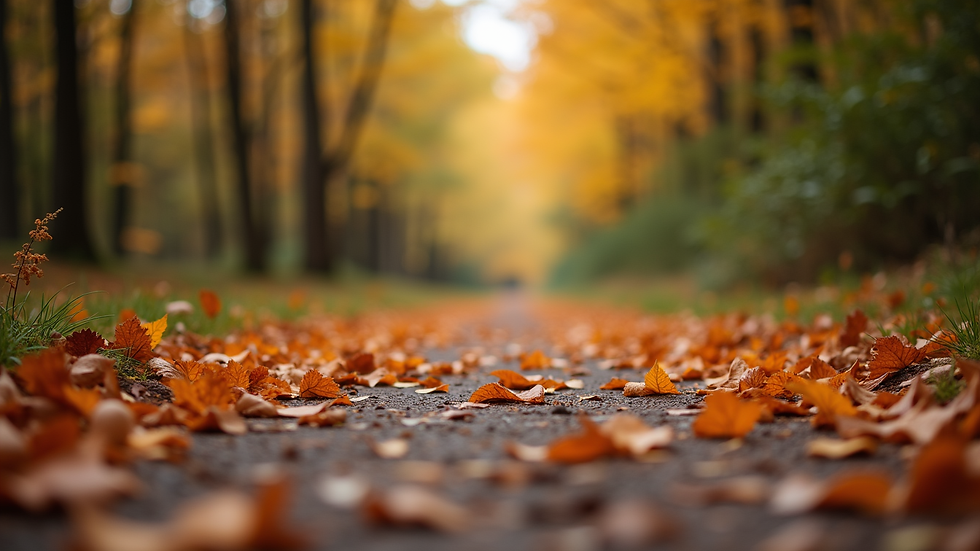
Autumn: A Colorful Transformation
Autumn is perhaps the most celebrated season for woodland photography. The changing colors of the leaves create a breathtaking display. Here’s what makes autumn special:
Vibrant Foliage: The leaves transform into brilliant shades of red, orange, and yellow. This is the perfect time to capture the essence of fall.
Misty Mornings: Early autumn mornings often bring fog, which can add a mystical quality to your images. Use this to your advantage for atmospheric shots.
Harvest Time: Many fruits and nuts are ripe for the picking, and wildlife is busy gathering food for winter.
Tip: Look for reflections in water bodies. Ponds and lakes can mirror the stunning fall colors, creating striking compositions.
Winter: A Quiet Beauty
Winter may seem like a challenging time for woodland photography, but it offers a unique beauty that can be captivating. Here’s what to consider during the winter months:
Snow-Covered Landscapes: Fresh snow transforms the woodland into a serene wonderland. The contrast of white snow against dark tree trunks can create striking images.
Minimalism: Winter often strips the landscape down to its essentials. Look for minimalist compositions that highlight the beauty of simplicity.
Wildlife Adaptations: Animals adapt to the cold, and you may spot tracks in the snow or birds flitting between branches.
Tip: Use a polarizing filter to reduce glare from the snow and enhance the contrast in your images.
Planning Your Woodland Photography Sessions
To make the most of your woodland photography, planning is essential. Here are some practical tips to help you prepare:
Research Locations
Identify local woodlands that offer diverse landscapes and seasonal changes. National parks, nature reserves, and local forests can provide excellent opportunities for photography.
Monitor Weather Conditions
Weather plays a significant role in photography. Overcast days can provide soft, diffused light, while sunny days can create harsh shadows. Use weather apps to track conditions and plan your outings accordingly.
Time Your Visits
The golden hours—early morning and late afternoon—offer the best light for photography. The soft, warm tones during these times can enhance the beauty of your images.
Pack the Right Gear
Ensure you have the right equipment for your woodland photography. Here’s a checklist of essential gear:
Camera: A DSLR or mirrorless camera with interchangeable lenses.
Lenses: A wide-angle lens for landscapes and a macro lens for close-up shots of flora and fauna.
Tripod: A sturdy tripod is essential for long exposures and low-light conditions.
Filters: Polarizing filters can help reduce glare and enhance colors.
Techniques for Capturing Woodland Beauty
Once you’re in the field, employing the right techniques can make a significant difference in your woodland photography. Here are some strategies to consider:
Composition
Rule of Thirds: Use the rule of thirds to create balanced compositions. Place points of interest along the grid lines to draw the viewer’s eye.
Leading Lines: Look for natural lines in the landscape, such as paths or streams, to guide the viewer’s gaze through the image.
Framing: Use branches or foliage to frame your subject, adding depth and interest to your photos.
Lighting
Backlighting: Shoot towards the light to create silhouettes or to highlight the translucence of leaves.
Golden Hour: Take advantage of the warm light during the golden hour to enhance colors and create a magical atmosphere.
Focus and Depth of Field
Selective Focus: Use a shallow depth of field to isolate your subject and create a pleasing bokeh effect in the background.
Depth: Incorporate foreground elements to add depth to your images, making them more engaging.
Post-Processing Tips
After your woodland photography session, post-processing can enhance your images further. Here are some tips to consider:
Adjust Exposure: Fine-tune the exposure to bring out details in shadows and highlights.
Color Correction: Adjust the white balance to ensure accurate colors, especially in autumn when colors can be vibrant.
Sharpening: Apply sharpening to enhance details, particularly in foliage and textures.
Conclusion
Woodland photography is a rewarding pursuit that allows you to connect with nature and capture its beauty throughout the seasons. By understanding the unique characteristics of each season and employing effective techniques, you can create stunning images that tell a story. Whether you’re a beginner or an experienced photographer, the woodlands offer endless opportunities for exploration and creativity. So grab your camera, head into the woods, and let the changing seasons inspire your photography journey.


Comments