
Exploring Nature: Woodland Photography Techniques and Tips
- Audrey Hamilton

- Jun 22
- 4 min read
Nature has a way of captivating our senses, and woodland areas are no exception. The interplay of light and shadow, the rich textures of bark and leaves, and the vibrant colors of flora create a stunning backdrop for photography. Whether you're a seasoned photographer or a beginner looking to improve your skills, understanding woodland photography techniques can elevate your images from ordinary to extraordinary. In this post, we will explore various techniques, tips, and tricks to help you capture the beauty of woodlands effectively.

Understanding Your Environment
Before you even pick up your camera, it's essential to understand the environment you are about to photograph. Woodlands can vary significantly in terms of light, vegetation, and terrain. Here are some key factors to consider:
Light Conditions
The quality of light can dramatically affect your photographs. Early morning and late afternoon, known as the "golden hours," provide soft, warm light that enhances colors and reduces harsh shadows. Overcast days can also be beneficial, as the diffused light minimizes contrast and allows for even exposure.
Seasonal Changes
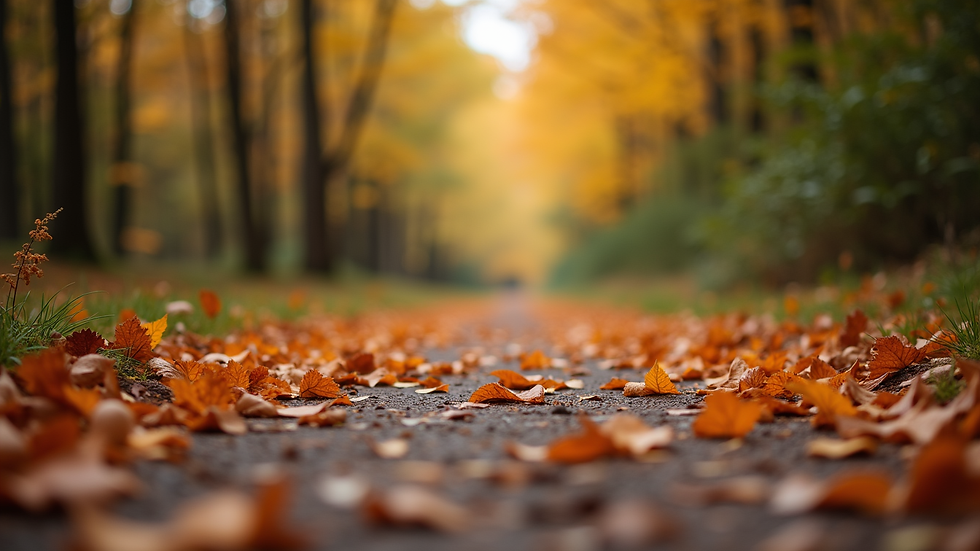
Each season brings its own unique beauty to woodlands. Spring showcases blooming flowers and fresh green leaves, summer offers lush foliage, autumn presents a riot of colors, and winter can transform the landscape into a serene, snow-covered scene. Plan your visits according to the seasonal changes to capture diverse images.
Wildlife Considerations
Woodlands are home to various wildlife. Understanding animal behavior can help you capture stunning shots of creatures in their natural habitat. Be patient and respectful of their space, and consider using a longer lens to avoid disturbing them.
Essential Equipment for Woodland Photography
While you can take great photos with a smartphone, having the right equipment can enhance your capabilities. Here are some essential tools for woodland photography:
Camera
A DSLR or mirrorless camera is ideal for capturing high-quality images. These cameras allow for interchangeable lenses and manual settings, giving you greater control over your shots.
Lenses
Wide-Angle Lens: Perfect for capturing expansive landscapes and the towering trees of the woodland.
Macro Lens: Ideal for close-up shots of flowers, insects, and textures.
Telephoto Lens: Useful for photographing wildlife from a distance without disturbing them.
Tripod
A sturdy tripod is essential for long exposure shots, especially in low light conditions. It helps stabilize your camera and prevents blurry images.
Filters
Polarizing Filter: Reduces glare and enhances colors, especially in foliage and water reflections.
Neutral Density Filter: Allows for longer exposures in bright conditions, perfect for capturing flowing water or creating a dreamy effect with moving leaves.
Composition Techniques
Once you have your equipment ready, it's time to focus on composition. Here are some techniques to help you create visually appealing woodland photographs:
Rule of Thirds
The rule of thirds is a fundamental principle in photography. Imagine dividing your frame into a 3x3 grid. Position key elements along these lines or at their intersections to create a balanced composition.
Leading Lines
Use natural lines in the woodland, such as paths, streams, or tree trunks, to lead the viewer's eye into the photograph. This technique adds depth and draws attention to your subject.
Framing
Incorporate elements of the woodland to frame your subject. Overhanging branches or gaps between trees can create a natural frame, adding interest and context to your image.
Depth of Field
Controlling depth of field can help isolate your subject. A shallow depth of field (using a wide aperture) blurs the background, making your subject stand out. Conversely, a deeper depth of field (using a narrow aperture) keeps more of the scene in focus, which is great for landscapes.
Techniques for Capturing Woodland Beauty
Now that you understand the basics of composition, let's explore specific techniques to enhance your woodland photography:
Long Exposure
Long exposure photography can create stunning effects, especially with flowing water or moving leaves. Use a tripod and a neutral density filter to achieve longer exposure times without overexposing your image.
Backlighting
Shooting with the light behind your subject can create a magical glow, especially with leaves or flowers. This technique highlights textures and adds a sense of depth to your images.
Reflections
Look for ponds or streams in the woodland. Capturing reflections can add symmetry and interest to your photographs. Early morning or late afternoon light often produces the best reflections.
Textures and Details
Don't forget to capture the small details that make woodlands unique. Close-ups of bark, leaves, or mushrooms can tell a story and showcase the intricate beauty of nature.
Post-Processing Tips
After capturing your images, post-processing can enhance their quality. Here are some tips to consider:
Basic Adjustments
Exposure: Adjust the exposure to ensure your image is well-lit.
Contrast: Increase contrast to add depth and make colors pop.
Saturation: Be cautious with saturation; enhancing colors too much can make images look unnatural.
Cropping and Straightening
Use cropping to improve composition and remove distractions from the frame. Straightening your images can also enhance their professionalism.
Sharpening
Apply sharpening to enhance details, especially in landscapes. Be careful not to overdo it, as this can introduce noise.
Conclusion
Woodland photography offers endless opportunities to explore and capture the beauty of nature. By understanding your environment, using the right equipment, applying composition techniques, and enhancing your images through post-processing, you can create stunning photographs that resonate with viewers.
As you venture into the woods with your camera, remember to be patient and respectful of nature. Each visit can yield unique experiences and images, so keep experimenting and refining your skills. Happy shooting!

Comments